
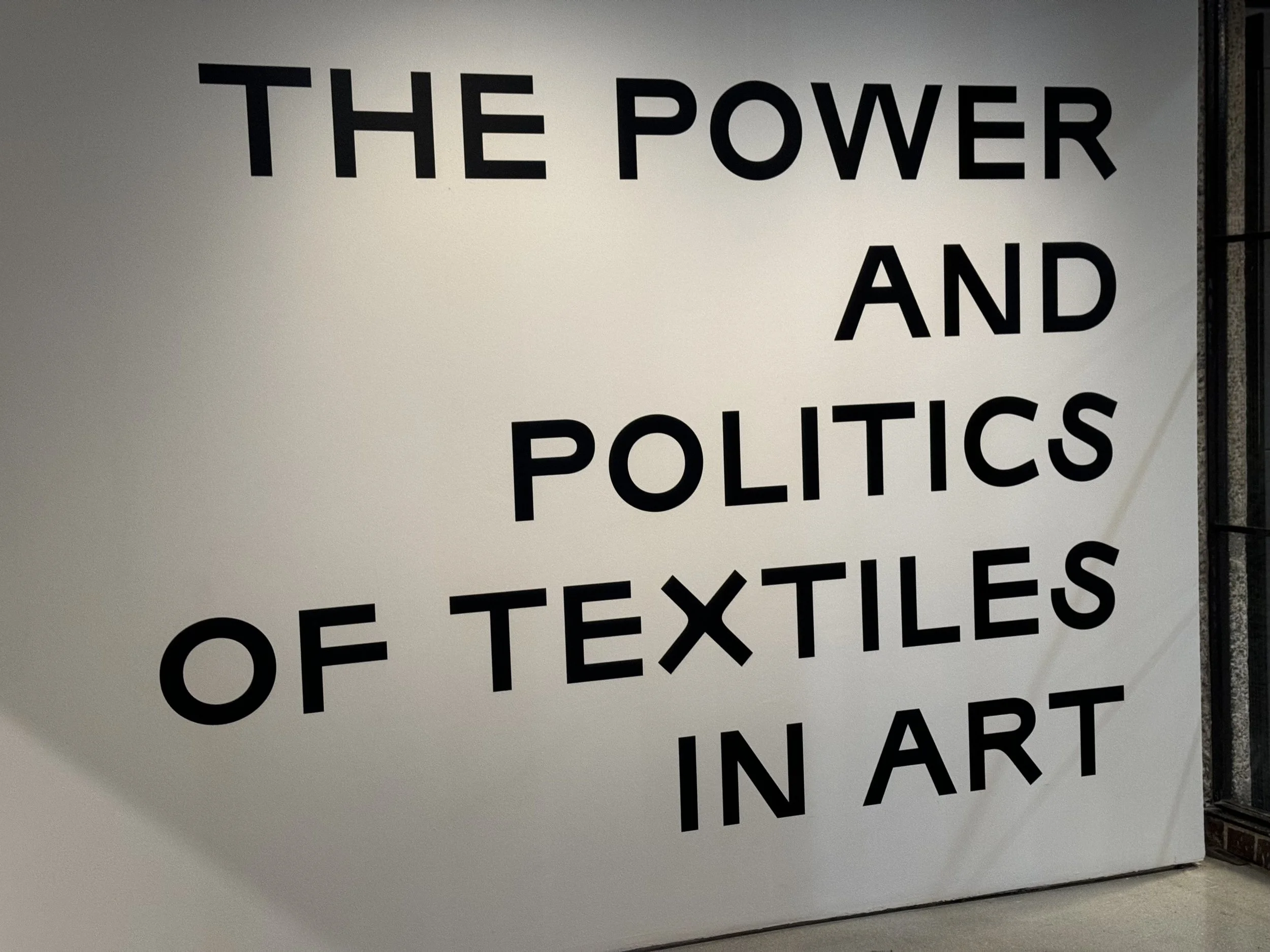
Art and Politics of Textiles
In this section, we will explore a different theme each month that connects the world of art with the politics of textiles, with the aim of deepening your understanding of how textiles reflect cultural identity, social structures, and power dynamics. Through thoughtful discussion and creative examination, we’ll look at historical and contemporary examples of textile arts, uncover the stories woven into fibres and fabrics, and consider how textiles have been used to challenge norms, express resistance, and shape community narratives. By engaging with these topics, we hope to inspire critical thinking, elevate appreciation for material culture, and highlight the ways that art and textiles intersect with broader political and social movements.
An inclusive author, Priyankaa Paliwal writes on the arts and politics of textiles, and blends critical insight with industry knowledge. Holding an MSc in Management and Finance, alongside a diploma in Design and Marketing, she connects cultural narratives, economics, and material practice.
“Staying authentic against trends means knowing your own voice and values, rather than chasing what’s popular. It’s about curating choices—whether in style, food, or lifestyle—that genuinely reflect your taste, experiences, and story, so your individuality shines even as trends come and go.” - Priyankaa.
The Art and Politics of Textiles: Yes, Fabric Is Political
Once upon a time, textiles were politely shoved into the corner of the art world with a label that read: craft, not serious, probably made by women. Enter contemporary artists, armed with needles, looms, and a lot of justified rage, ready to prove that fabric can, in fact, overthrow empires (or at least make them very uncomfortable).
Textile art flips the art hierarchy upside down. Stitching, weaving, and knitting—long dismissed as domestic hobbies—are reclaimed as powerful tools of authorship and critique. Turns out embroidery isn’t just for cushions that say Live Laugh Love; it can also say Colonialism was a Bad Idea.
Artists use thread as a storytelling device, sewing together personal memory, cultural identity, and histories of trade, extraction, and exploitation. Every fibre comes with baggage: who made it, who was paid (or not), and what land or labour was used. Basically, textiles are sustainable and judgmental.
Fabric also excels at resistance. Protest banners, subversive patterns, and quietly radical quilts smuggle political messages under the guise of softness. Power structures rarely see a beautifully woven critique coming.
And then there’s identity. Because textiles sit close to the body, they naturally speak to gender, labour, intimacy, and belonging—issues that have been stitched into women’s lives for centuries.
Exhibitions like the ones I saw at Barbican in London (2004) Unravel prove one thing: textiles aren’t delicate. They’re political, personal, and perfectly capable of poking authority—with a very sharp needle. 🧵